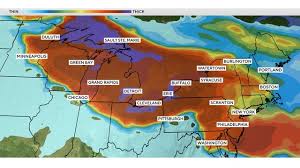
Smoke and Heat Trigger Midwest and Northeast Alerts
A thick blanket of hazy smoke from Canadian wildfires has merged with a stifling summer heatwave, triggering urgent air quality and health alerts across the Midwest and Northeast. Millions of residents are currently under warnings as environmental agencies track a dangerous combination of high temperatures and elevated particulate matter. As federal and local officials advise caution, understanding how to navigate this dual environmental threat has become a matter of immediate public safety.
Dangerous Smoke and Heat Trigger Regional Alerts
The dual threat of extreme heat and drifting wildfire smoke has prompted state and federal agencies to issue widespread air quality alerts across a massive swath of the United States. Originating from active, out-of-control wildfires in Canada, the dense smoke plume has traveled southward, blanketing major metropolitan areas from Chicago to New York. At the same time, a stagnant high-pressure system has trapped this polluted air close to the ground while driving temperatures into the high 90s, creating a suffocating “heat dome” effect that amplifies the atmospheric hazard.
Environmental protection departments have registered Air Quality Index (AQI) levels well into the “unhealthy for sensitive groups” and “unhealthy” categories. The primary culprit in the hazy skies is PM2.5—fine particulate matter that is 2.5 micrometers or smaller in diameter. Because these microscopic particles are so small, they bypass the body’s natural defense mechanisms in the nasal passages, traveling deep into the lungs and even entering the bloodstream, posing severe physiological risks.
Meteorologists and health officials warn that the convergence of extreme heat and poor air quality creates a compounding health crisis. High temperatures force the human body to work harder to cool itself down, increasing the heart and respiratory rates. When this physiological strain is combined with the inhalation of toxic wildfire smoke, the cardiovascular and respiratory systems are pushed to their limits, leading to an uptick in emergency room visits for asthma attacks, cardiac events, and heat exhaustion.
How to Protect Your Health From PM2.5 and Heat
Protecting yourself from this dual threat requires a proactive approach and a clear understanding of daily atmospheric conditions. Health experts advise checking localized air quality reports regularly through resources like AirNow.gov before planning any outdoor activities. When AQI levels rise above 100, and particularly when they exceed 150, individuals—especially children, the elderly, pregnant women, and those with pre-existing heart or lung conditions—should strictly limit their time outdoors and avoid strenuous physical exertion.
To mitigate exposure inside your home and during necessary travel, several practical safety measures should be implemented immediately:
- Seal your home: Keep all windows and doors closed, and set your air conditioning units to “recirculate” to prevent outdoor pollutants from being drawn inside.
- Filter indoor air: Run portable HEPA air purifiers in high-traffic rooms to continuously capture microscopic PM2.5 particles that seep indoors.
- Wear N95 respirators: If outdoor travel is unavoidable, wear a well-fitted N95 or KN95 mask, as standard cloth or surgical masks do not filter out dangerous fine particulates.
- Maintain hydration: Drink plenty of water throughout the day to help your body manage heat stress and flush out inhaled toxins.
It is equally vital to recognize the early warning signs of heat-related illness and respiratory distress. Symptoms such as persistent coughing, difficulty breathing, wheezing, chest pain, dizziness, or extreme fatigue should not be ignored. If you or someone nearby exhibits signs of heat stroke—such as confusion, a rapid pulse, or a lack of sweating despite high heat—seek emergency medical attention immediately. Taking these alerts seriously and acting swiftly can prevent minor discomfort from escalating into a life-threatening medical emergency.
As climate patterns continue to foster more frequent wildfires and intense summer heatwaves, these regional alerts serve as a stark reminder of our changing environmental reality. Staying informed through trusted local news outlets and meteorological services remains your best tool for staying safe. By taking simple, preventative actions today, residents across the Midwest and Northeast can protect their health and weather this latest atmospheric challenge safely.